
Peace, Simplicity, and Scenic Beauty: Enfield Shaker Village, NH
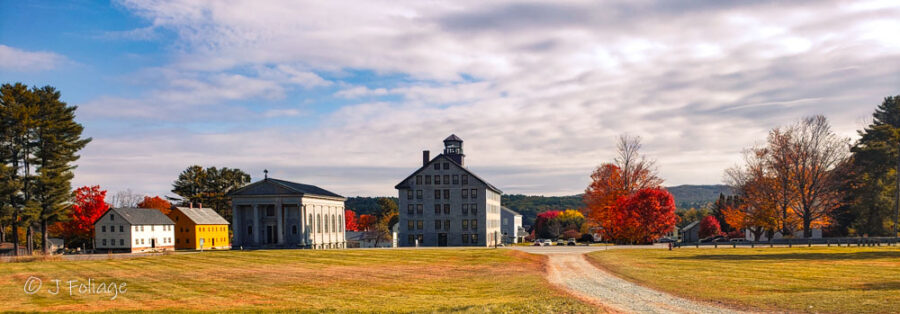
If you’re craving a place where time seems to stand still, and the beauty of simplicity takes center stage, Enfield Shaker Village in New Hampshire is a must-visit. Tucked between the forested hills of the Upper Valley and the calm waters of Mascoma Lake, this historic site offers not only a deep dive into American religious history but also a rich setting for photography and quiet exploration.
Where Is Enfield Shaker Village?
Located just off Route 4A in the small town of Enfield, the village sits on the shores of Mascoma Lake in western New Hampshire. It’s about a 20-minute drive from Lebanon or Hanover and under 2 hours from Boston. Easily accessed from I-89, it’s a scenic detour with ample parking and clear signage. The village is open seasonally, so check hours before you go.
A Short History of the Shaker Settlement
Founded in 1793, Enfield was home to one of the largest Shaker communities in the United States. Known for their devotion to celibacy, communal living, and remarkable craftsmanship, the Shakers lived in harmony with the land and each other. Their commitment to innovation and equality was ahead of its time, evident in their simple, beautiful architecture and efficient design. The village is now run by the Enfield Shaker Museum (a non-profit), just like the Canterbury Shaker Museum in Canterbury, New Hampshire. (Read about it here)
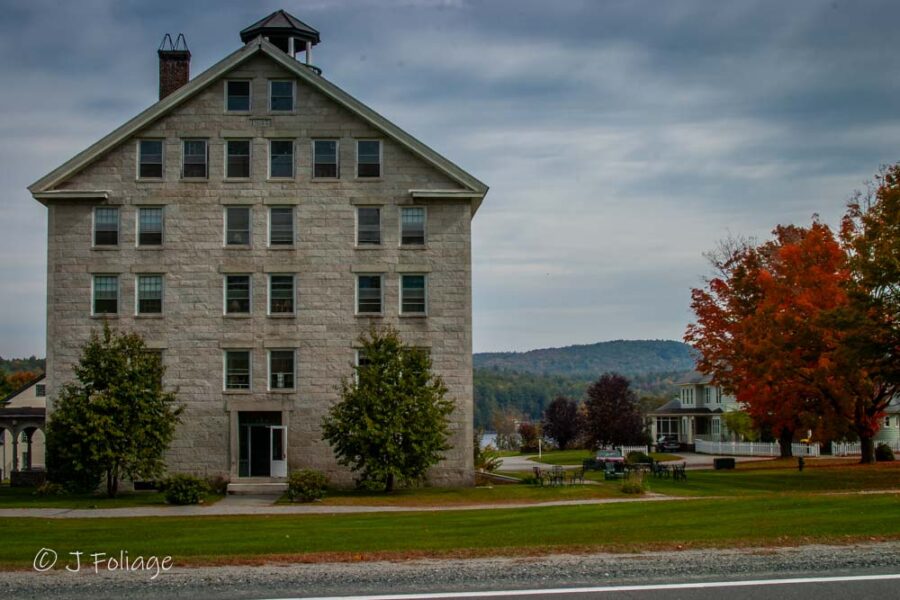
At its height in the mid-1800s, the Enfield Shaker community had over 300 residents. The crown jewel of the site, the Great Stone Dwelling, remains the largest Shaker building ever constructed, built in 1841 using granite from nearby quarries. Today, this building and others on the campus function as a museum preserving their legacy through exhibits, furniture, textiles, and tools.
What to Explore at the Village
Take a guided tour or roam freely. Visit the Meeting House, stroll through vegetable gardens planted in traditional style, or observe Shaker-made furniture and textiles that reveal their mastery of form and function. Interpretive signs and interactive exhibits make it engaging for all ages.
Depending on the season, you might catch hands-on workshops, craft fairs, or music events echoing the spiritual songs of the Shakers.
Photography Tips
- Mastering the Granite Textures: The Great Stone Dwelling is made of local granite that can look “flat” under mid-day sun. Aim for side-lighting during the early morning or late afternoon to bring out the rugged texture of the stone blocks.
- The Mascoma Lake Reflection: For those perfect mirror shots on Mascoma Lake, the water is typically at its calmest just after sunrise. If you are visiting during peak foliage, use a circular polarizer to cut the glare on the water and make those red and orange reflections “pop.”
- Interior Simplicity: If you head inside the museum, look for the way natural light falls across the Shaker furniture. The Shakers designed their buildings with large windows to maximize light; use a wide aperture (low f-stop) to capture those clean, minimalist lines with a soft, natural glow.
- The “Rail Trail” Perspective: Use the Northern Rail Trail for leading lines. The long, straight path through the trees creates a natural vanishing point that is perfect for framing a subject or capturing the “tunnel” effect of the autumn leaves.
Photo-Worthy Spots Nearby
This area of New Hampshire is a photographer’s dream:
- Mascoma Lake: Especially magical at sunrise or during fall foliage season. Bring a telephoto lens for water birds or a wide-angle for sunrise mist.
- La Salette: Directly across the street (Route 4A) from the Shaker Village is the Shrine of Our Lady of La Salette. While it’s a religious site, in the fall, their hillside gardens offer a different perspective/view of Mascoma Lake that photographers love.
- Shaker Bridge & Rail Trail: A peaceful walking trail along the lake with open views, often flanked by blazing red maples in October. The trail can be accessed at Shaker Bridge Landing Park and the Main Street public parking lot. The Rail Trail is incredibly flat and accessible, making it a good spot for “low-impact” foliage viewing.
- Mount Cardigan (about 35 minutes southeast): A granite bald summit that gives panoramic shots of rolling mountains—fantastic for golden hour.
- Backroads of Enfield: Drive Route 4A during foliage season for covered bridges, barn scenes, and peaceful woodland compositions.

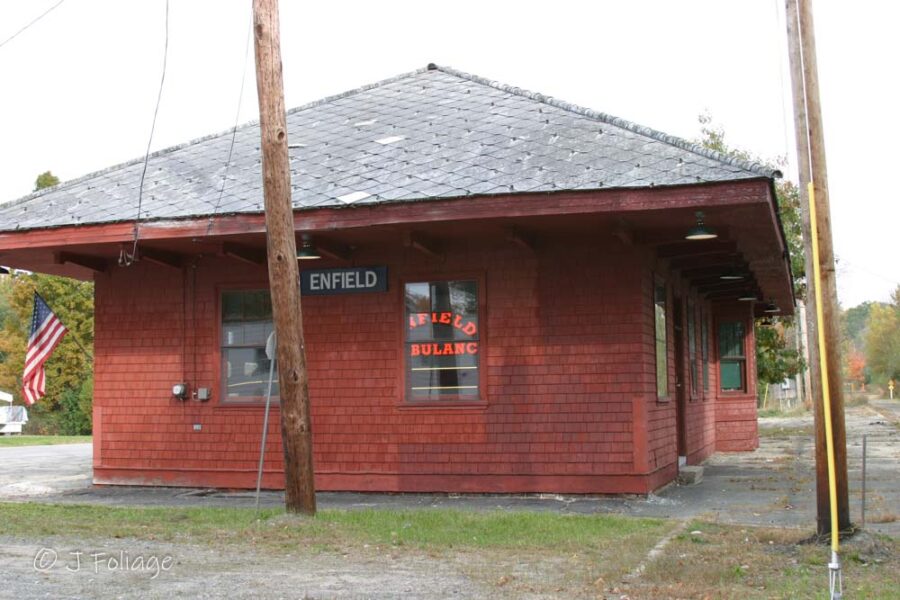
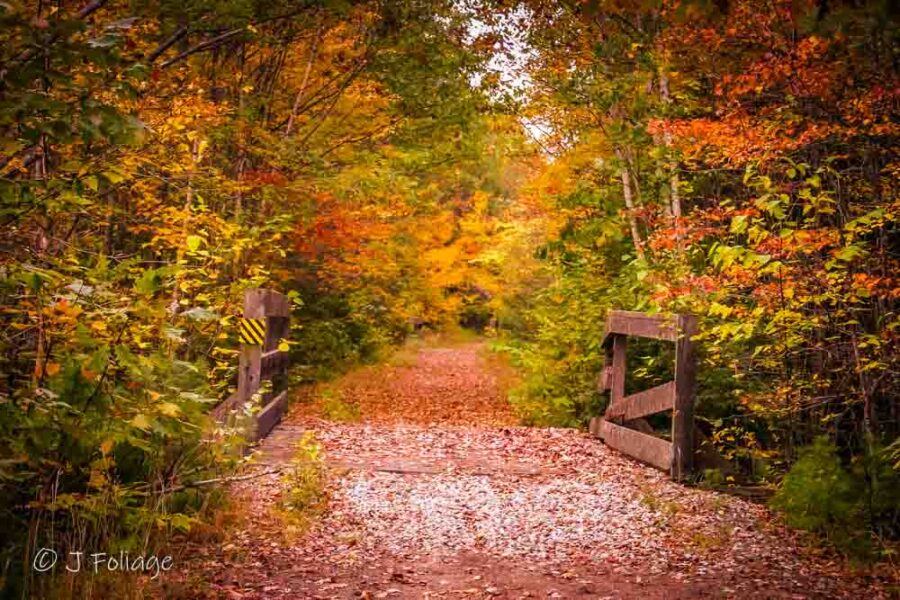
Shaker Rail Trail
Tips for Your Visit
- When to Go: Late September through mid-October is ideal for fall color and cooler weather. Spring offers blossoms and fewer crowds.
- Time Needed: Allow 1.5–3 hours for a full visit.
- Food & Lodging: Nearby Lebanon and Hanover offer good dining options. Pack a picnic or dine by the lake. You might check to see if the Great Stone Dwelling is currently serving food. Historically, they had a dining room (the Shaker Table), but since management changes, it’s sometimes only for events.
- Accessibility: The main buildings are wheelchair-accessible, and the grounds are mostly level.
Final Thoughts
Enfield Shaker Village is more than just a museum—it’s a reflection of a unique American vision of utopia, brought to life in stone, wood, and silence. Whether you’re a history buff, photographer, or just in need of a peaceful day out, this spot delivers. Bring your camera, but more importantly, bring a spirit of reflection. The Shakers believed in “Hands to work, hearts to God”—and you’ll feel that stillness the moment you arrive.
Jeff Foliage Folger
Autumn is a state of mind more than a time of year – Jeff Foliage




Comments
Peace, Simplicity, and Scenic Beauty: Enfield Shaker Village, NH — No Comments
HTML tags allowed in your comment: <a href="" title=""> <abbr title=""> <acronym title=""> <b> <blockquote cite=""> <cite> <code> <del datetime=""> <em> <i> <q cite=""> <s> <strike> <strong>